Diseases & Parasites
Keeping your birds healthy is one of the most important parts of poultry care. While many issues can be prevented with good management, it’s important to recognize early signs of illness and understand common diseases and parasites that can affect your flock.
This page provides a basic overview to help you identify problems early and know when to take action.
What to Watch For
Healthy birds are active, alert, and eating regularly. Signs that something may be wrong include:
Lethargy or unusual behavior
Loss of appetite or weight
Diarrhea or abnormal droppings
Sneezing, coughing, or discharge
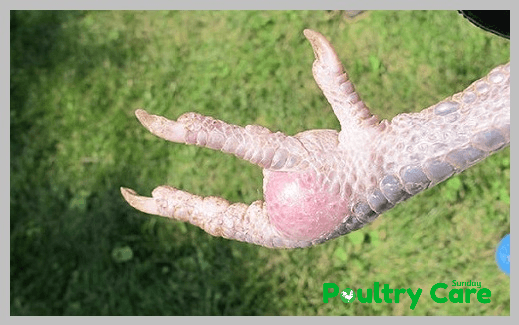
Limping or difficulty moving
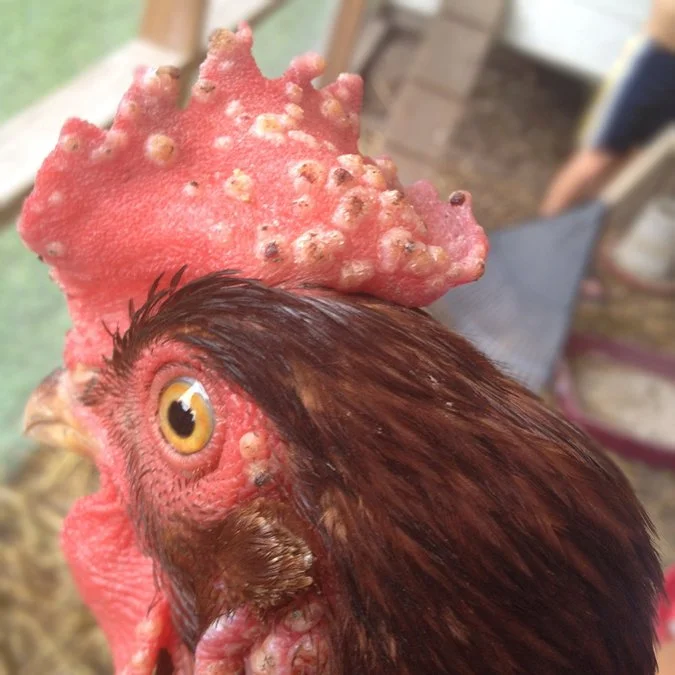
Pale comb or changes in appearance
If you notice these signs, it’s important to act quickly to prevent the issue from spreading.
Common Poultry Diseases
Poultry can be affected by a variety of diseases. Some of the more common types include:
Respiratory illnesses – Often spread quickly and may cause sneezing, coughing, or nasal discharge
Digestive issues – Can lead to diarrhea, weight loss, or poor growth
Viral diseases – Some cannot be treated and must be managed through prevention
Bacterial infections – May require treatment and careful monitoring
Early detection and isolation are key to protecting the rest of your flock.
External Parasites (Outside the Bird)
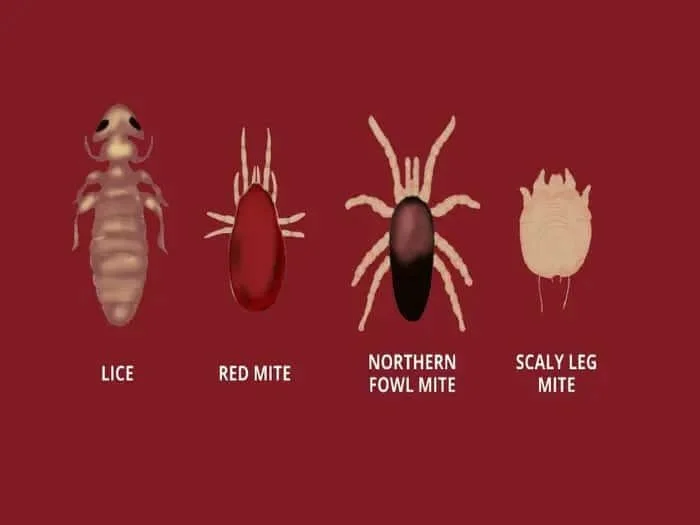
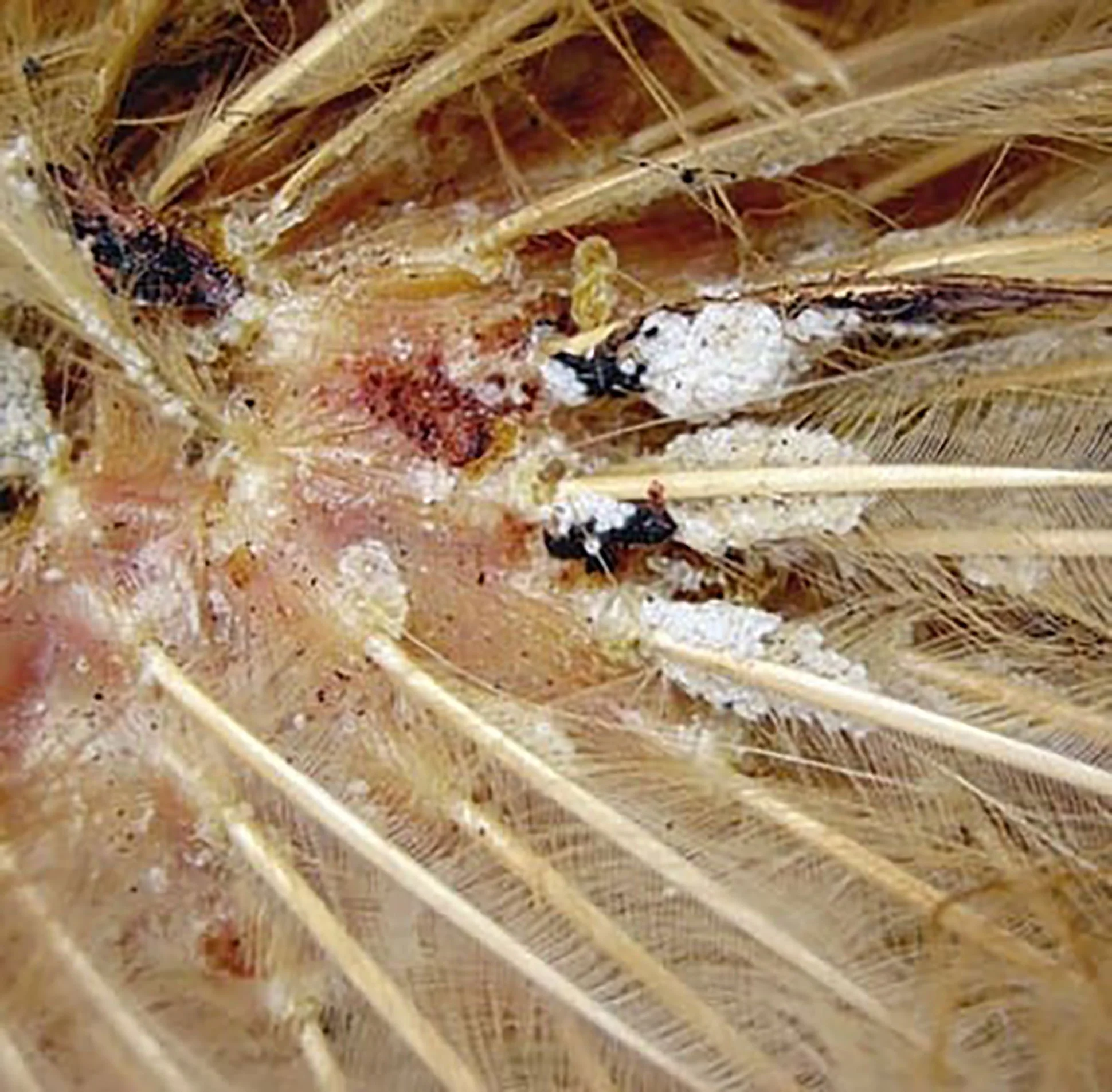
These parasites live on the bird and can cause irritation, feather damage, and stress:
Mites
Lice
Ticks
Signs may include excessive scratching, feather loss, or irritated skin.
Internal Parasites (Inside the Bird)
These parasites affect the digestive system and overall health:
Worms
Coccidia
Birds may show weight loss, poor growth, or changes in droppings.
Prevention & Good Management
The best way to deal with disease is to prevent it in the first place. Good practices include:
Keeping coops clean and dry
Providing fresh food and water daily
Avoiding overcrowding
Quarantining new birds before introducing them
Monitoring birds regularly for changes
Consistent care goes a long way in preventing most issues.
When to Ask for Help
If you are unsure what is wrong or symptoms are getting worse, don’t wait. Reach out to:
A project leader or experienced exhibitor
A veterinarian familiar with poultry
Extension or poultry health resources
It’s always better to ask early than risk losing birds or spreading illness.
Learn More